

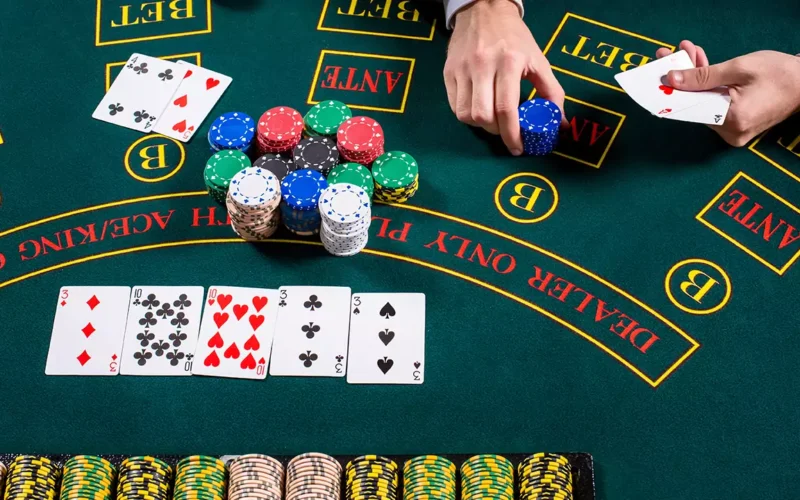
Poker is more than just a card game; it is a blend of skill, psychology, strategy, and calculated risk-taking. Over the years, poker has become one of the most popular games both in casinos and home settings, drawing players who seek not only entertainment but also the thrill of competition. In this article, we will explore the game of poker in detail, covering its origins, variations, rules, strategies, and the mental aspects that make it unique.
The Origins of Poker
The roots of poker can be traced back several centuries. Historians believe that the game evolved from a mixture of European and Persian card games. The French game “poque” and the German game “pochen” both influenced poker’s development. By the early 1800s, poker became a staple in the United States, especially along the Mississippi River where traders and travelers enjoyed the game on riverboats. As it spread westward during the Gold Rush, poker became synonymous with frontier culture.
Understanding the Basics of Poker
At its core, poker is about making the best five-card hand or convincing opponents to fold. Each game follows the same fundamental elements:
-
Blinds or antes: Forced bets to create initial stakes.
-
Hole cards: Private cards dealt to each player.
-
Community cards: Shared cards revealed in rounds, depending on the variation.
-
Betting rounds: Players check, bet, call, raise, or fold.
-
Showdown: Final reveal of hands to determine the winner.
The hand rankings are universal across most poker games. They range from Royal Flush at the top to High Card at the bottom.
Popular Variations of Poker
While the word “poker” often brings to mind one specific style, there are many variations that players enjoy:
Texas Hold’em
The most widely played poker game, Texas Hold’em uses two hole cards and five community cards. Players aim to form the best hand out of the seven available.
Omaha
Similar to Texas Hold’em but with four hole cards. Players must use exactly two of their hole cards with three community cards.
Seven-Card Stud
Once the most popular game before Hold’em took over, Stud involves players receiving seven cards, some face up and some face down, with no community cards.
Five-Card Draw
This classic version is straightforward: each player gets five cards, may discard and draw new ones, and then reveal their hand.
Mixed Games
High-level players often enjoy mixed formats like HORSE, which rotate through different styles of poker, testing versatility.
Essential Poker Strategies
Success in poker comes from more than just luck. Strategic thinking plays a central role in long-term winning.
Starting Hands Selection
Beginners often play too many hands. Skilled players focus on strong starting hands and know when to fold weaker ones before investing too much.
Positional Advantage
Your position at the table is crucial. Acting later gives you more information on your opponents’ decisions, allowing for smarter plays.
Reading Opponents
Poker involves observing behavior. Betting patterns, body language, and timing can all reveal insights into an opponent’s hand strength.
Bluffing
A well-timed bluff can turn a losing hand into a winning pot. However, excessive bluffing without careful planning leads to predictable patterns.
Bankroll Management
Players must manage their funds wisely to handle variance. Setting limits helps avoid emotional decisions when losing.
The Psychological Aspect of Poker
Poker is as much a mental contest as it is a card game. Confidence, patience, and emotional control separate amateurs from professionals.
-
Tilt control: Tilt is when frustration affects decision-making. Staying calm prevents reckless moves.
-
Focus: Concentration on the table ensures no opportunity or mistake goes unnoticed.
-
Patience: Waiting for the right moment often proves more profitable than rushing into action.
Online Poker and Technology
In recent decades, poker has shifted significantly online. Digital platforms allow players worldwide to connect instantly. Online poker offers:
-
Convenience of playing from home
-
Access to multiple game variations
-
Opportunity to practice with lower stakes
-
Tools for tracking and improving performance
At the same time, live poker maintains its charm with in-person psychology and social interaction.
Tournaments and Competitive Play
Poker tournaments attract millions of players, from small local events to world-renowned championships. The most famous is the World Series of Poker (WSOP), where players compete for life-changing prizes and prestige. Tournament formats include:
-
Freezeout tournaments: Once you lose all your chips, you are eliminated.
-
Rebuy tournaments: Allow players to buy more chips if eliminated early.
-
Sit and Go tournaments: Begin as soon as enough players register.
Poker in Popular Culture
From Hollywood films to televised tournaments, poker has become embedded in entertainment. Iconic scenes of bluffing and high-stakes action have contributed to its popularity. The portrayal of poker often emphasizes drama, strategy, and unpredictability, reflecting real-life gameplay.
Responsible Poker Playing
Poker should be enjoyable and rewarding, but players must approach it responsibly:
-
Set time and money limits
-
Treat losses as part of the game
-
Avoid chasing losses with bigger bets
-
Balance poker with other activities
FAQs About Poker
What is the best poker variation for beginners?
Texas Hold’em is the easiest to learn and most accessible for new players. Its simple structure and widespread popularity make it the best starting point.
How do I know when to fold a hand in poker?
A fold is often the best move if your hand is weak and the betting action suggests stronger opponents. Experienced players fold far more often than they play.
Can poker really be a source of income?
Yes, skilled players can make money, but it requires discipline, years of practice, and effective bankroll management. For most, poker is better enjoyed as a hobby.
What are poker tells, and do they matter online?
In live games, tells include physical cues like nervous gestures. Online poker eliminates physical tells but replaces them with digital patterns, such as bet timing.
How do I improve quickly at poker?
Study hand histories, learn probability, play regularly, and discuss strategies with experienced players. Continuous practice combined with study accelerates improvement.
What is the difference between cash games and tournaments?
Cash games allow players to buy in and cash out anytime, while tournaments follow structured eliminations with increasing blinds until one winner remains.
