

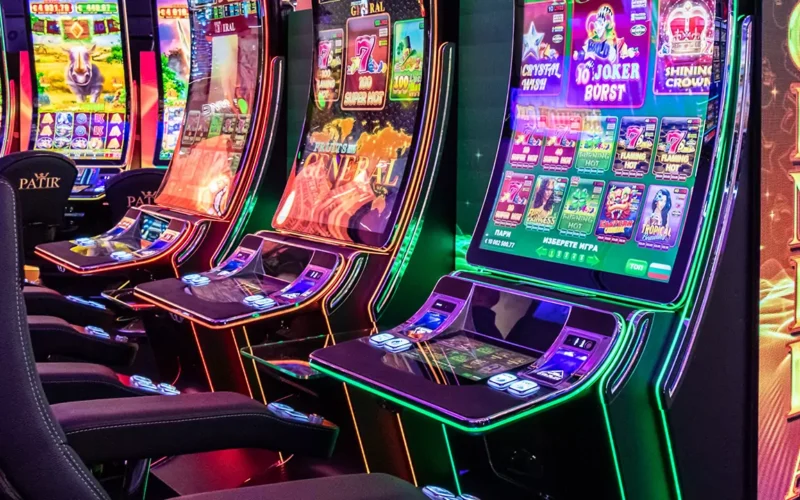
Slot machines have been a cornerstone of entertainment in casinos and gaming centers for over a century. Today, they are not only found in physical venues but also in online platforms where millions of players spin the reels daily. Understanding how slot machines work, their history, mechanics, strategies, and cultural impact can transform your experience from random play to informed enjoyment. Whether you are a casual gamer or someone exploring the deeper aspects of the industry, this guide provides an in-depth look at everything you need to know about slot machines.
The Origin of the Slot Machine
The slot machine was invented in the late 19th century by Charles Fey in San Francisco. His creation, known as the Liberty Bell, was a mechanical device with three spinning reels and five symbols: horseshoes, stars, bells, and playing cards. Landing three Liberty Bells in a row earned the biggest payout, which gave the machine its name. This invention became the blueprint for countless designs that followed.
Over time, slot machines evolved from purely mechanical devices into electromechanical versions in the mid-20th century and later into fully digital video slots. Each step of this progression introduced new features like multiple paylines, bonus rounds, and progressive jackpots, making the game more exciting and accessible.
How Slot Machines Work
To understand slot machines fully, you must look at their underlying mechanics:
Random Number Generators (RNGs)
Modern slot machines use RNG software, which ensures that every spin outcome is completely random. This means that no spin is influenced by the one before it or the one after it. The fairness of slot machines is verified by regulatory agencies to maintain player trust.
Paylines
A payline is the line on which winning combinations are counted. Traditional slots often had a single payline across the center, but today’s machines can feature anywhere from 10 to over 1,000 paylines, stretching in zigzags, diagonals, and other patterns.
Symbols
Symbols vary depending on the theme of the slot but generally include:
-
Standard symbols (fruits, numbers, or themed icons)
-
Wilds (symbols that substitute for others to create winning combinations)
-
Scatters (symbols that trigger bonuses or free spins)
-
Multipliers (symbols that increase payouts by a set factor)
Return to Player (RTP)
RTP is a percentage that represents the average amount a player can expect to win back over long-term play. For example, a slot with a 96% RTP pays back $96 for every $100 wagered on average. While RTP provides a guideline, outcomes are always random in the short term.
Types of Slot Machines
Slot machines come in a wide variety of styles, each offering unique gameplay:
Classic Slots
These mimic the early mechanical versions, usually with three reels and simple fruit or bar symbols. They appeal to players who enjoy straightforward gaming without complicated features.
Video Slots
The most common form today, video slots feature five or more reels, multiple paylines, and themed graphics. They often include bonus rounds, animations, and interactive features.
Progressive Slots
These are linked machines that contribute a portion of each wager to a cumulative jackpot. Progressive slots can offer life-changing payouts that sometimes reach millions of dollars.
3D and Interactive Slots
These slots focus heavily on immersive visuals and storylines, offering players a cinematic experience with advanced graphics and sound.
The Psychology of Slot Machines
Slot machines are designed to keep players engaged. Understanding these design elements can help you play responsibly:
-
Near Miss Effect: When reels stop just short of a winning combination, it creates the illusion of being close to a big win.
-
Sensory Stimulation: Bright lights, celebratory sounds, and animations enhance excitement and encourage continued play.
-
Variable Reward Schedules: Wins come unpredictably, which taps into psychological reinforcement systems similar to those found in video games.
Strategies for Playing Slot Machines
While slot machines are games of chance, there are strategies you can use to improve your experience:
Bankroll Management
Set a budget before playing and stick to it. This ensures you enjoy the game without overspending.
Choosing the Right Machine
Look for machines with higher RTP percentages, as these statistically provide better returns. Also, consider volatility:
-
High volatility: Larger but less frequent payouts.
-
Low volatility: Smaller but more consistent payouts.
Take Advantage of Bonuses
Casinos often offer bonuses, free spins, or loyalty rewards that extend your playtime and increase winning opportunities.
Know When to Walk Away
Setting win and loss limits helps you leave the game with profits or without chasing losses.
Cultural and Economic Impact
Slot machines are not just entertainment; they are a multibillion-dollar industry. In many casinos, slot machines generate more revenue than table games. Their popularity has also spread to online platforms, making them a global phenomenon.
In popular culture, slot machines symbolize luck, chance, and the allure of easy money. Movies, television shows, and literature often use them as metaphors for risk-taking and fortune.
Responsible Gaming with Slot Machines
It is important to approach slot machines with a mindset of entertainment rather than income. Here are some responsible gaming tips:
-
Play for fun, not as a way to make money.
-
Use time limits and spending caps.
-
Take breaks to avoid fatigue and impulsive decisions.
-
Seek support services if you feel gambling is becoming problematic.
Frequently Asked Questions
How do I know if a slot machine is fair?
All regulated slot machines use RNG technology, and independent agencies test them regularly to ensure fairness.
Can I improve my chances of winning on a slot machine?
You cannot change the outcome of spins, but you can improve your overall experience by selecting higher RTP machines, managing your bankroll, and using casino bonuses wisely.
What is the difference between RTP and volatility?
RTP indicates the long-term return percentage of a slot machine, while volatility refers to the risk and payout frequency. A high-volatility slot pays less often but with larger rewards, while a low-volatility slot pays more frequently but in smaller amounts.
Are online slot machines different from physical ones?
The mechanics are essentially the same, but online slots often feature more advanced graphics, interactive bonus rounds, and larger game libraries.
Can I play slot machines for free?
Yes, many online platforms offer demo versions of slot machines, allowing you to play without risking real money. This is an excellent way to learn how a game works before wagering.
What is the biggest win ever recorded on a slot machine?
Some progressive jackpots have paid out tens of millions of dollars. While these wins are rare, they highlight the massive potential of progressive slot machines.
