

Casinos handle enormous volumes of cash, chips, and digital transactions every day. With so much at stake, even small weaknesses can turn into costly losses. That’s why modern casinos operate like high-security environments, blending technology, trained personnel, and strict procedures to stay one step ahead of fraudsters and cheaters.
Below is a clear, factual look at how casinos protect their games, their money, and their reputation.
The Role of Surveillance Systems
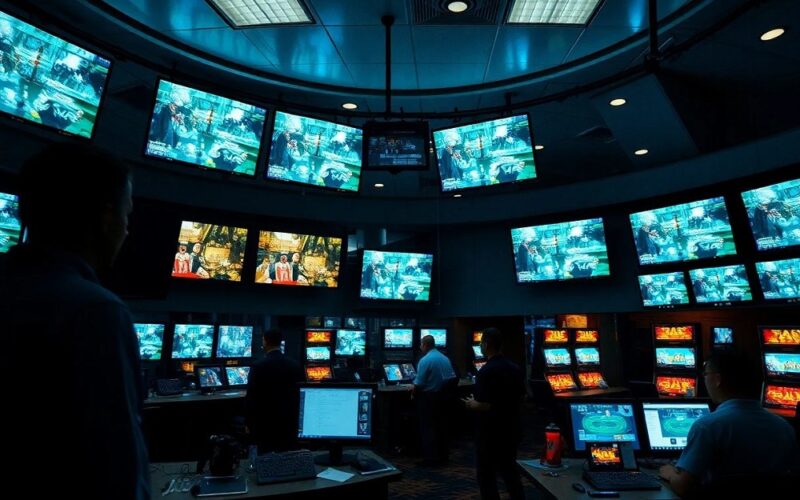
Surveillance is the backbone of casino security. Most casinos operate a centralized surveillance room often called “the eye in the sky.”
These systems include:
-
High-definition cameras covering gaming tables, slot machines, cashier cages, and entrances
-
Zoom and tracking capabilities to follow suspicious behavior in real time
-
24/7 monitoring by trained surveillance professionals
Every hand dealt, chip moved, or payout made can be reviewed later, making it extremely difficult for cheating attempts to go unnoticed.
Trained Staff on the Casino Floor
Technology alone isn’t enough. Casinos rely heavily on human observation.
Key personnel include:
-
Dealers trained to spot irregular betting or chip handling
-
Pit bosses who oversee table games and monitor player behavior
-
Floor supervisors who rotate constantly to avoid predictable routines
These professionals are taught to recognize subtle signs of cheating, such as unusual hand movements, signaling between players, or sudden changes in betting patterns.
Anti-Cheating Measures in Table Games
Table games like blackjack and poker are common targets for cheaters. Casinos counter this with multiple safeguards.
Common techniques include:
-
Frequent deck changes to disrupt card tracking
-
Automatic shufflers that randomize cards continuously
-
Strict rules on player conduct, including how chips and cards are handled
Some casinos also analyze gameplay data to detect anomalies that suggest advantage play or collusion.
Slot Machine Security and Digital Safeguards
Slot machines are powered by complex software and are heavily regulated.
Security measures include:
-
Random Number Generators (RNGs) tested regularly for fairness
-
Tamper-evident seals and locked cabinets
-
Real-time performance monitoring to detect unusual payout behavior
Any irregularity triggers alerts, and machines can be shut down instantly for inspection.
RFID Chips and Cash Tracking
Modern casinos use RFID-embedded chips to track chip movement across tables and cashier cages.
Benefits of RFID tracking:
-
Detects counterfeit chips immediately
-
Monitors betting patterns and payout accuracy
-
Helps resolve disputes quickly using precise data
Cash handling is equally controlled, with counting rooms monitored by cameras and strict dual-control procedures.
Facial Recognition and Player Databases
Advanced casinos employ facial recognition software linked to internal databases.
These systems help:
-
Identify known cheaters or banned players upon entry
-
Track individuals suspected of fraud across multiple visits
-
Enforce self-exclusion and regulatory compliance
While controversial, these tools are legal in many jurisdictions and tightly regulated.
Fraud Prevention Beyond the Gaming Floor
Fraud doesn’t only happen at tables or machines. Casinos also protect against internal threats and financial manipulation.
Additional protections include:
-
Employee background checks and audits
-
Segregation of duties to prevent insider theft
-
Transaction monitoring for money laundering attempts
By combining internal controls with external oversight, casinos reduce risk on all fronts.
Continuous Audits and Regulatory Oversight
Casinos are among the most regulated businesses in the world.
Oversight typically involves:
-
Independent audits of games and finances
-
Government gaming commissions enforcing compliance
-
Heavy penalties for violations or security failures
This regulatory pressure pushes casinos to maintain strict, constantly evolving anti-fraud systems.
FAQ
How do casinos catch cheaters so quickly?
Casinos combine live surveillance, trained staff, and data analysis to spot unusual behavior almost instantly.
Can casinos detect card counting?
Yes. While card counting isn’t illegal everywhere, casinos can identify it through betting patterns and game analytics.
Are casino chips easy to counterfeit?
Modern chips often include RFID technology and unique markings, making counterfeiting extremely difficult.
Do casinos track individual players?
Casinos track play using loyalty programs, surveillance, and security systems to prevent fraud and enforce rules.
Is facial recognition used in all casinos?
Not all, but many large casinos use it where legally permitted and regulated.
Can employees commit casino fraud?
Yes, which is why casinos use audits, background checks, and strict operational controls.
Are online and physical casinos protected the same way?
The principles are similar, but online casinos rely more on digital monitoring, encryption, and behavioral analytics.
