

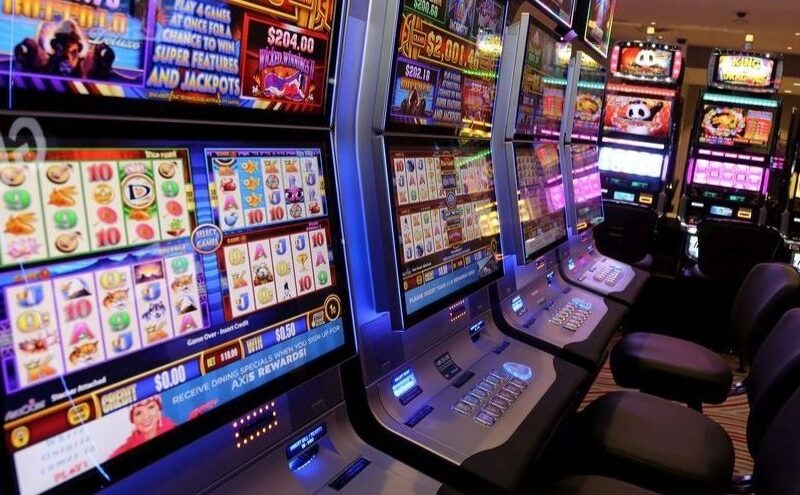
Modern slot games are no longer just about spinning reels and hoping for a lucky outcome. They’ve evolved into interactive entertainment systems that borrow ideas from video games, mobile apps, and social platforms. At the center of this evolution is gamification—the use of game-like mechanics to boost engagement, motivation, and long-term player interest.
Gamification reshapes how players interact with slots, transforming passive gameplay into a more immersive and rewarding experience.
Understanding Gamification in Slot Games
Gamification refers to the integration of non-gambling game mechanics into slot gameplay. These elements don’t change the mathematical odds of winning but significantly influence how engaging the experience feels.
Common gamification mechanics include:
-
Progress bars and levels
-
Missions or quests
-
Achievements and badges
-
Unlockable content
-
Narrative-driven gameplay
Instead of relying solely on chance, players are given goals to pursue, which makes each session feel purposeful rather than repetitive.
How Gamification Enhances Player Engagement
Turning Short Sessions into Long-Term Play
Traditional slots encourage quick, repetitive spins. Gamified slots introduce progression systems that reward continued play over time. Even when players don’t win immediately, they still feel a sense of advancement.
This approach taps into:
-
A sense of accomplishment
-
The motivation to complete objectives
-
Curiosity about what unlocks next
Creating Emotional Investment
Gamification builds emotional attachment by offering:
-
Storylines that evolve
-
Characters that return
-
Personalized rewards
When players feel connected to the game world, they’re more likely to stay engaged beyond short-term outcomes.
Key Gamification Features in Modern Slots
Levels and Experience Systems
Players earn experience points through spins, bonuses, or challenges. As levels increase, new features may unlock, such as:
-
Enhanced bonus rounds
-
Visual upgrades
-
Access to exclusive events
This mirrors popular video game structures and keeps gameplay fresh.
Missions, Quests, and Challenges
Instead of spinning aimlessly, players might be tasked to:
-
Trigger a specific bonus
-
Reach a certain multiplier
-
Complete a themed storyline
These missions give players clear objectives, increasing focus and satisfaction.
Achievements and Reward Badges
Achievements reward milestones, not just wins. For example:
-
Completing a set number of spins
-
Unlocking all bonus features
-
Returning daily for a streak
These rewards reinforce consistent play without altering payout mechanics.
Social and Competitive Elements
Many modern slots include:
-
Leaderboards
-
Time-limited events
-
Community challenges
These features introduce friendly competition, even in single-player slot environments.
Gamification and User Retention
Gamification is especially powerful for retaining players. Instead of relying on bonuses alone, developers create systems that encourage players to return organically.
Retention-driven elements include:
-
Daily login rewards
-
Time-based challenges
-
Seasonal events
By rewarding consistency rather than only luck, gamified slots feel more balanced and player-friendly.
The Psychological Appeal Behind Gamified Slots
Gamification leverages well-known behavioral principles:
-
Goal-setting increases motivation
-
Progress feedback sustains interest
-
Variable rewards maintain excitement
These mechanics are familiar from fitness apps, mobile games, and productivity tools, making them intuitive and appealing to a wide audience.
Impact on Game Design and Innovation
Gamification has pushed slot developers to think beyond reels and paylines. Modern slot design now focuses on:
-
User experience (UX)
-
Narrative structure
-
Long-term engagement loops
This shift has led to more creative themes, richer visuals, and gameplay that feels dynamic rather than static.
Challenges and Responsible Design
While gamification boosts engagement, responsible implementation is crucial. Ethical game design ensures:
-
Clear distinction between gameplay goals and real-money outcomes
-
Transparent reward systems
-
Features that promote informed play
When done responsibly, gamification enhances enjoyment without misleading players.
The Future of Gamification in Slot Games
As technology advances, gamification is expected to grow more sophisticated. Emerging trends include:
-
Personalized progression paths
-
Deeper storytelling
-
Cross-platform rewards
-
AI-driven challenges tailored to player behavior
These innovations will continue to blur the line between traditional slots and full-fledged interactive games.
Frequently Asked Questions (FAQ)
1. What makes a slot game “gamified”?
A slot is considered gamified when it includes features like levels, missions, achievements, or progression systems that go beyond basic spinning mechanics.
2. Does gamification change the odds of winning?
No. Gamification affects presentation and engagement, not the underlying payout percentages or randomness.
3. Why do players enjoy gamified slots more?
They offer goals, feedback, and a sense of progress, making gameplay feel more rewarding even during non-winning sessions.
4. Are gamified slots suitable for beginners?
Yes. Many gamified slots include guided missions and clear objectives, which can make them easier to understand for new players.
5. How does gamification improve player retention?
By offering long-term rewards, daily challenges, and progression systems, players have reasons to return beyond short-term wins.
6. Can gamification be used responsibly?
Absolutely. When designed ethically, gamification enhances enjoyment while maintaining transparency and player awareness.
7. Will all future slots include gamification?
While not every slot will use it, gamification is becoming a standard feature in modern slot design due to its strong engagement benefits.
