

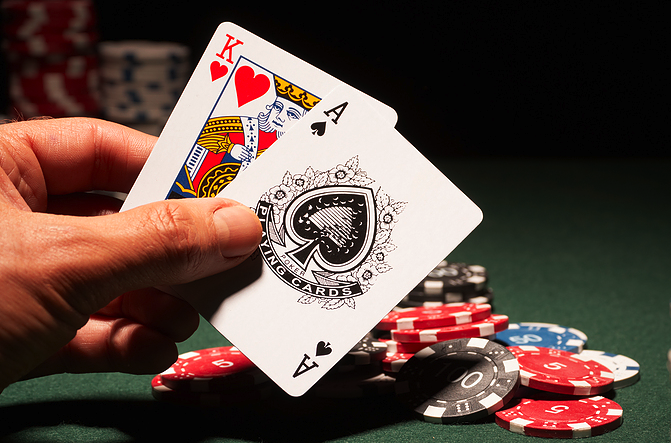
Blackjack is one of the most popular and strategic casino games in the world. Its combination of simple rules, skill-based decision-making, and the thrill of going head-to-head with the dealer makes it a favorite among beginners and seasoned players alike. Understanding the game of blackjack is not just about luck; it involves knowledge, patience, and smart decision-making. With the right approach, anyone can improve their chances of walking away a winner.
What is Blackjack?
Blackjack, often called “21,” is a card game where players aim to beat the dealer by having a hand value closer to 21 without going over. Each card carries a value: numbered cards count as their number, face cards count as 10, and Aces can be either 1 or 11. The game starts with two cards dealt to the player and dealer. Players then choose whether to “hit,” “stand,” “double down,” or “split,” depending on their hand and the dealer’s up-card.
The objective is straightforward: build a stronger hand than the dealer without busting. However, the simplicity of the rules opens up a deep world of strategies that skilled players can use to increase their odds.
How to Play Blackjack
Step-by-Step Gameplay
-
Place Your Bet: Players place their wager before cards are dealt.
-
Initial Deal: Both the dealer and player receive two cards. The dealer typically shows one card face-up.
-
Player’s Options:
-
Hit: Take another card.
-
Stand: Keep the current hand.
-
Double Down: Double the bet and take one more card.
-
Split: If the two initial cards are the same value, split them into two hands.
-
Surrender: In some games, a player can fold early and lose only half the bet.
-
-
Dealer’s Turn: The dealer must draw cards until reaching 17 or higher.
-
Outcome: If the player has a higher total than the dealer without busting, the player wins. A tie is called a push, and the bet is returned.
The Role of Blackjack Payouts
-
A winning hand usually pays 1:1.
-
A natural blackjack (Ace + 10-value card) often pays 3:2, making it the most desirable outcome.
Basic Blackjack Strategy
The beauty of blackjack is that it offers a mathematically optimal way to play every hand. This “basic strategy” is built on probability and helps reduce the house edge.
Core Principles
-
Always hit on low totals (8 or below) since you cannot bust.
-
Stand on totals of 17 or more (except soft hands involving an Ace).
-
Double down on 11 if the dealer shows a low card (2–10).
-
Split Aces and 8s to maximize potential winning hands.
-
Never split 10s or 5s as these form strong totals already.
Learning and following this chart-based system ensures consistent decision-making and prevents emotional play from clouding judgment.
Advanced Blackjack Strategies
Card Counting
Card counting involves tracking the ratio of high to low cards left in the deck. When the deck is rich in 10s and Aces, the advantage shifts toward the player. Popular methods like the Hi-Lo system assign +1, 0, or -1 values to cards, making it easier to track the count. While not illegal, casinos discourage and monitor for this strategy.
Bankroll Management
Managing money is just as important as playing well. Setting limits for losses and wins helps players avoid chasing losses. A good bankroll system may include:
-
Only risking 1–2% of total bankroll per hand.
-
Walking away when reaching a set profit goal.
-
Dividing bankroll into multiple sessions to avoid overspending.
Betting Systems
Some players use betting progressions like:
-
Martingale: Doubling bets after each loss.
-
Paroli: Doubling bets after wins to maximize streaks.
-
Flat Betting: Keeping wagers consistent to minimize risk.
Each system carries its own level of risk and should be approached with discipline.
Common Mistakes to Avoid
Even skilled players fall into traps. Avoiding these errors can dramatically improve results:
-
Ignoring basic strategy: Playing by instinct instead of math increases house edge.
-
Taking insurance: This bet is rarely profitable in the long run.
-
Overbetting: Risking too much in one hand often leads to rapid losses.
-
Chasing losses: Emotional betting rarely leads to recovery.
Online Blackjack vs. Casino Blackjack
The game can be enjoyed both at physical tables and online platforms. While the rules are similar, there are differences:
-
Online Blackjack offers faster play, digital shuffling, and often multiple table variations.
-
Casino Blackjack provides a more social experience, with the thrill of chips, dealers, and real-time interaction.
Both have advantages, but players must adapt strategies to each environment.
Tips for Beginners
If you’re just starting out, focus on mastering the fundamentals:
-
Learn basic strategy charts and practice consistently.
-
Start with small wagers to build confidence.
-
Avoid distractions and maintain focus on the table.
-
Use free online versions of blackjack for practice before wagering real money.
The Psychology of Blackjack
Winning isn’t only about math; it also involves mindset. Staying calm, disciplined, and patient makes a significant difference. Successful players know when to walk away and don’t allow emotions to dictate decisions. Developing a positive and steady approach is key to long-term success.
Real-Life Applications of Blackjack Skills
Interestingly, the skills developed in blackjack extend beyond the table:
-
Risk assessment: Weighing odds helps in business and personal decisions.
-
Money management: Bankroll discipline translates into better financial planning.
-
Emotional control: Learning not to chase losses helps build resilience in real-life challenges.
Frequently Asked Questions about Blackjack
Is blackjack a game of skill or luck?
Blackjack combines both. Luck influences which cards you receive, but skill comes from making mathematically sound decisions based on probability.
Can you win at blackjack consistently?
Yes, with the use of basic strategy and strong bankroll management, players can reduce the house edge significantly, making consistent small wins possible.
What is the safest betting strategy in blackjack?
Flat betting, where you keep wagers consistent, is the safest approach since it avoids the risks of doubling bets during losing streaks.
How much advantage does card counting give?
A skilled counter may gain a small advantage of 0.5% to 1.5% over the house, but it requires concentration, discipline, and discretion.
Should beginners play online blackjack first?
Yes, online platforms often provide free practice tables, allowing beginners to learn rules and strategies without financial risk.
Why is splitting Aces so important?
Splitting Aces gives you two strong starting hands with high potential, rather than limiting you to a weaker total.
